Calyx Font
Scope
Typography, Analog Processes, 3D Printing
Overview
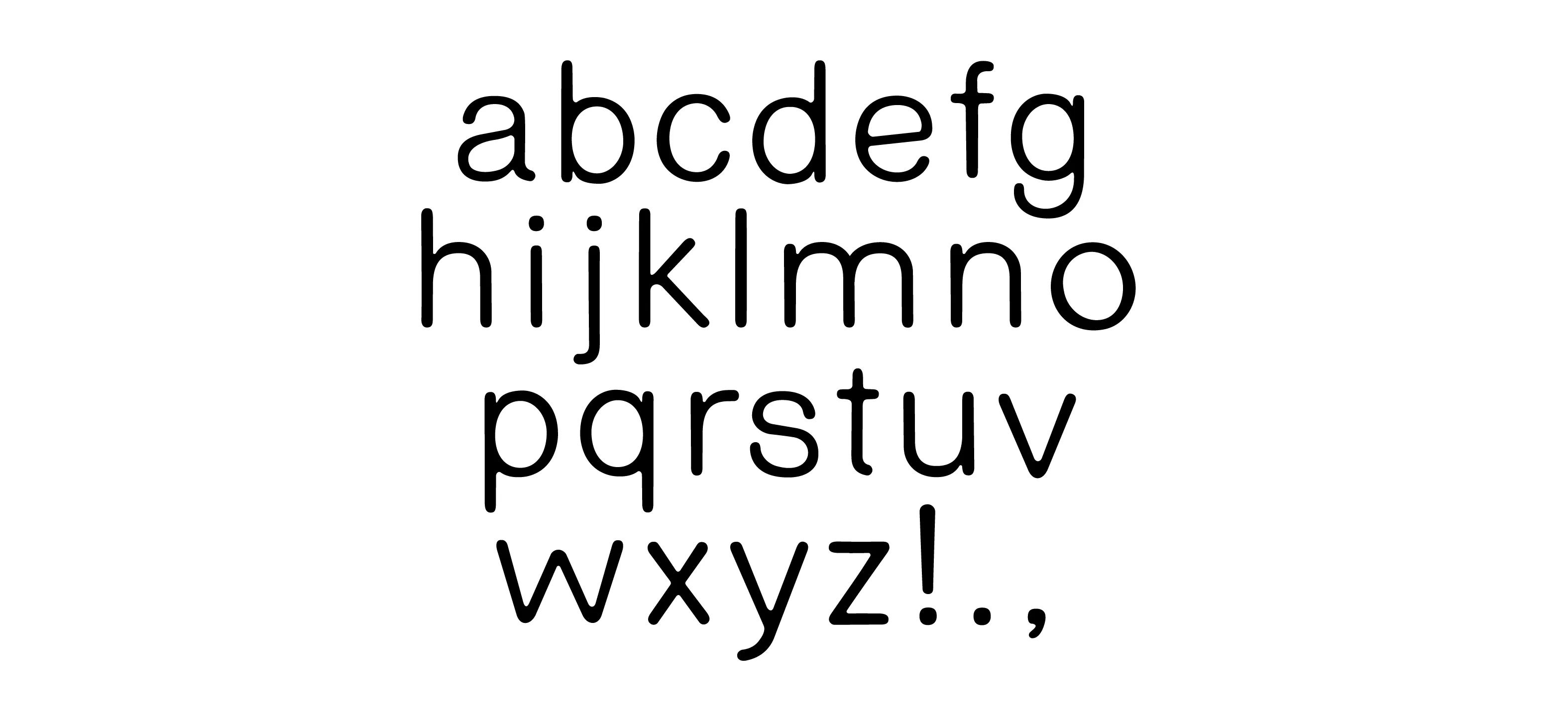
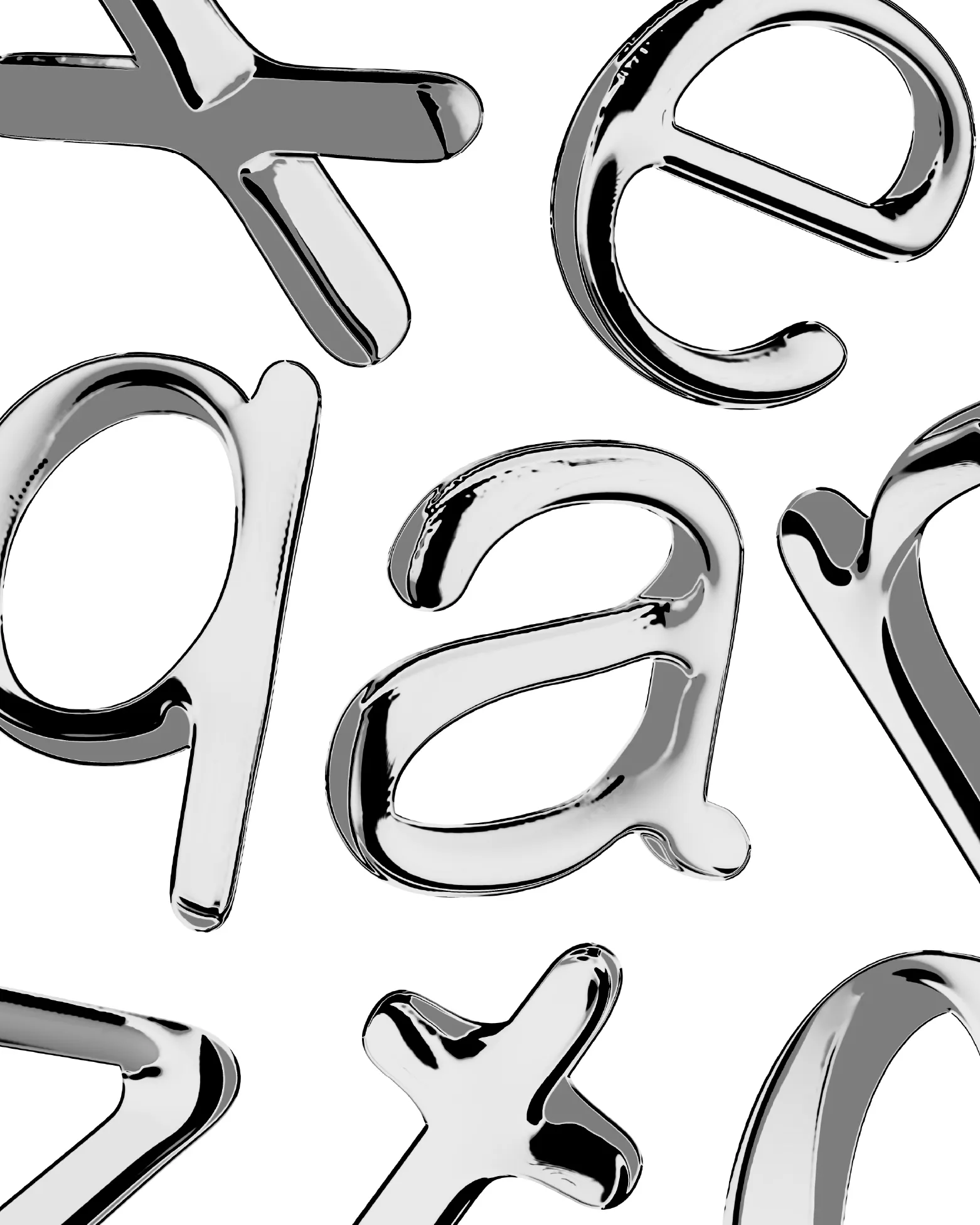
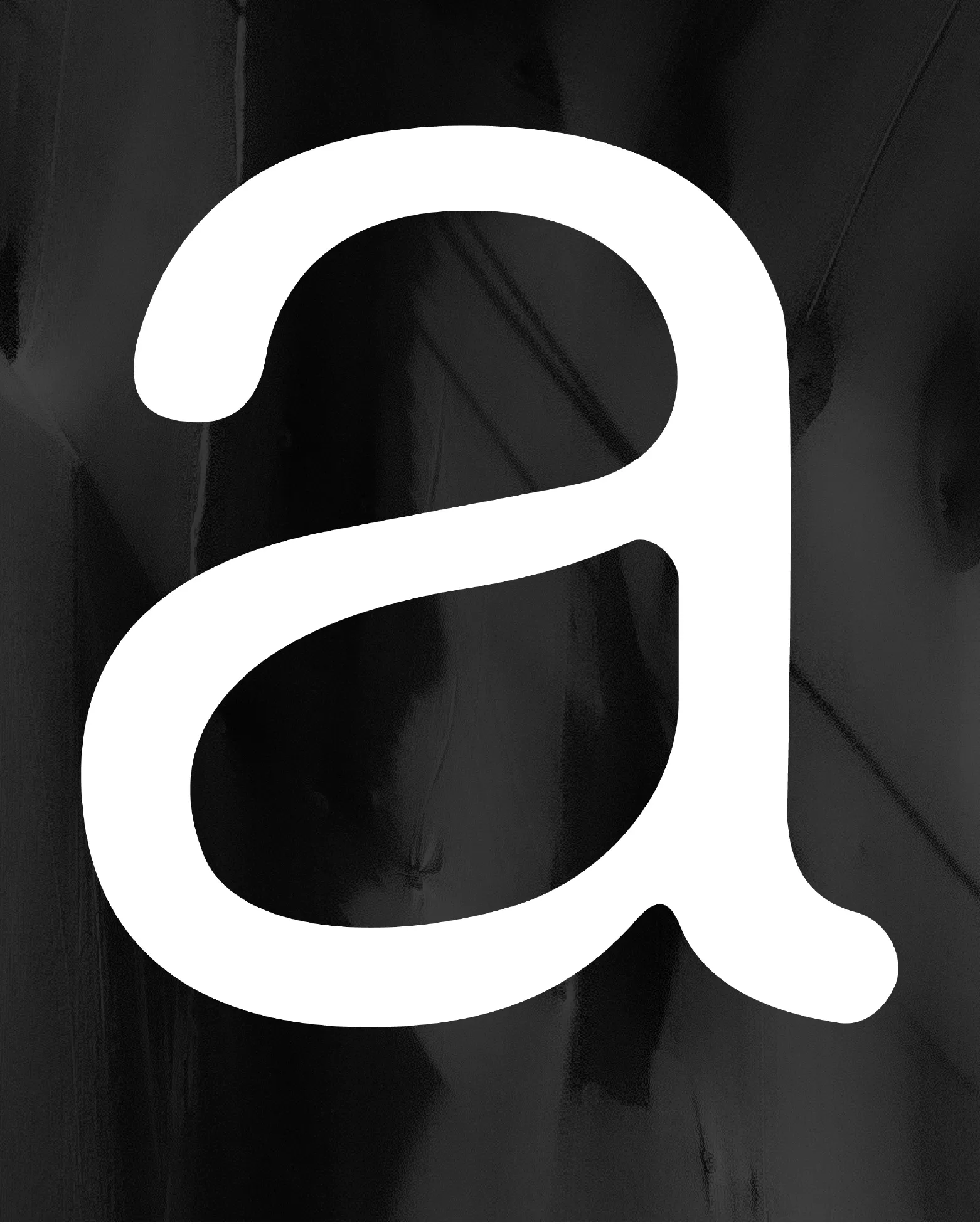
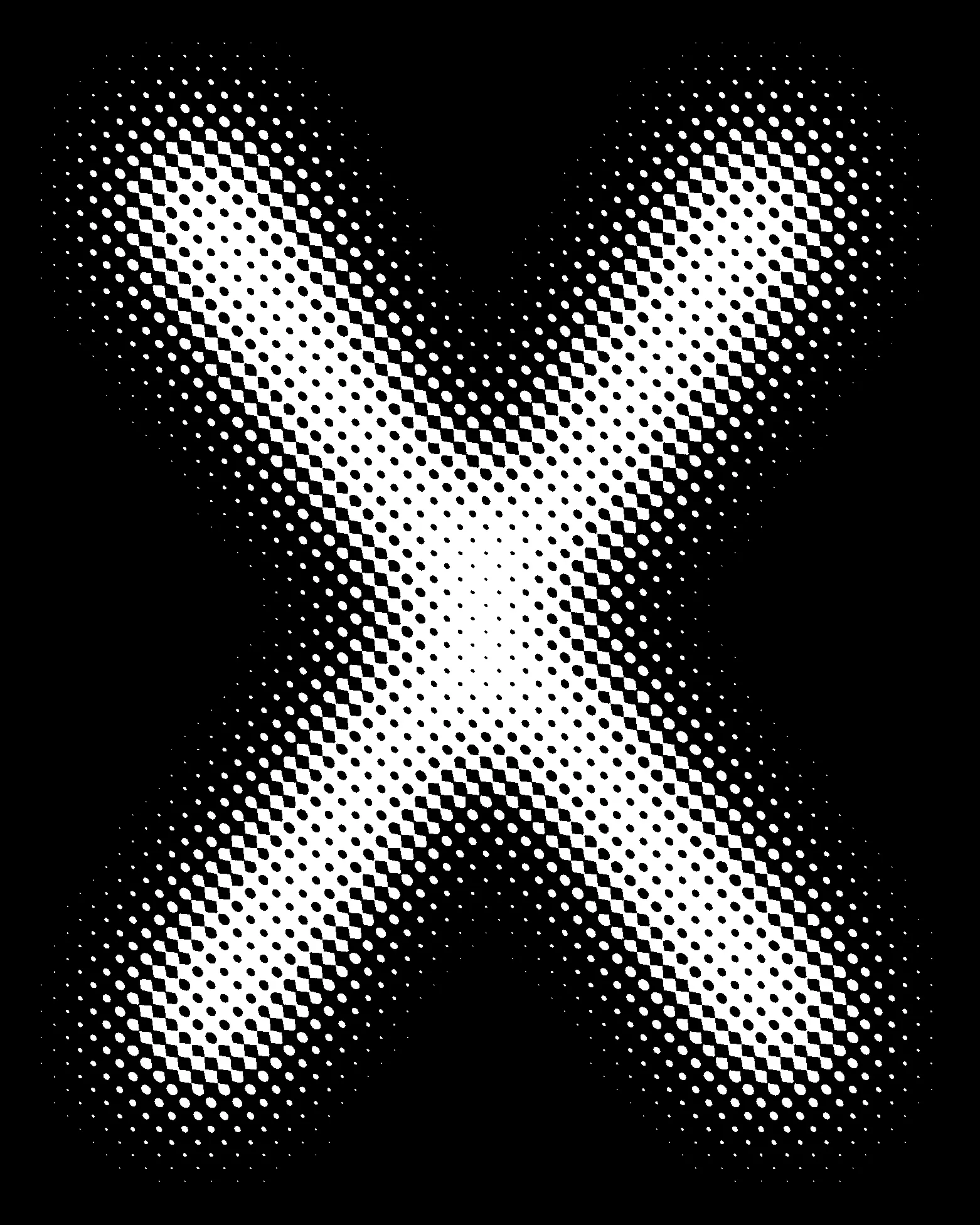
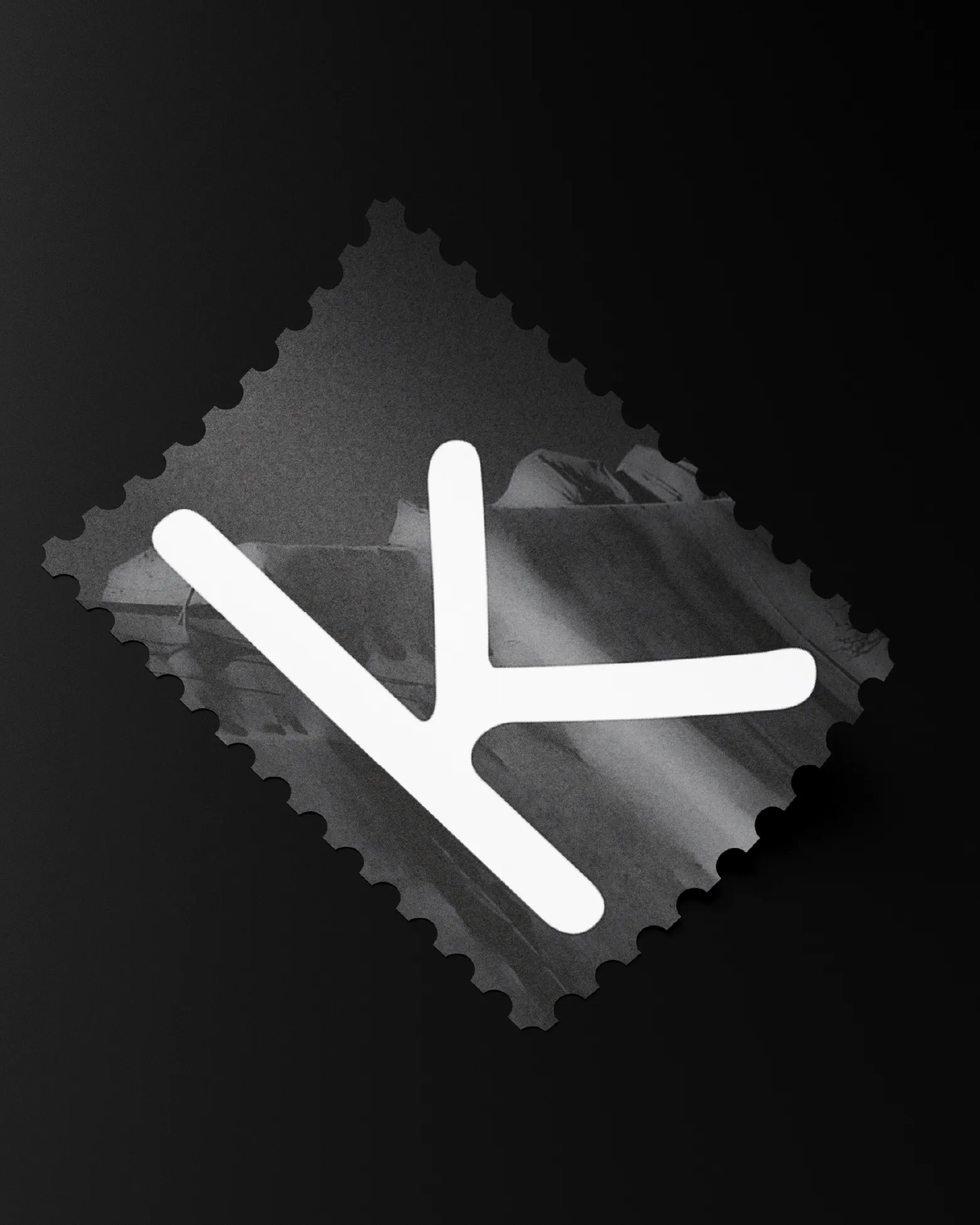
Calyx is a contemporary sans-serif typeface in its infancy, born from an exploration of melting ice forms. Currently encompassing the lowercase English alphabet and select punctuation, the typeface balances organic distortion with structural utility. Calyx is engineered as both a display typeface and a legible body copy, embedding subtle moments of fluid texturing that reveal themselves at larger scales while maintaining crisp readability at smaller sizes.
Creation
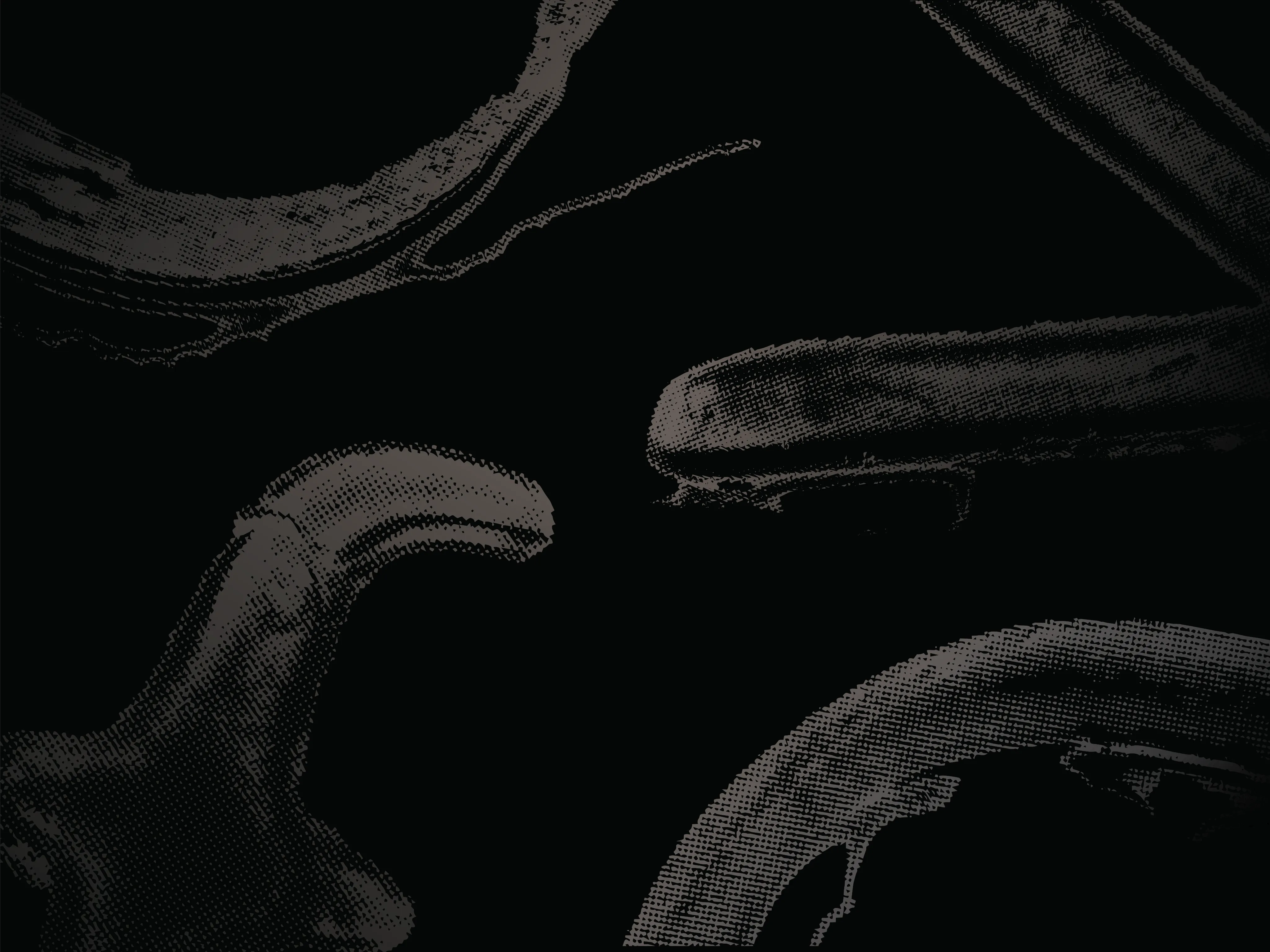
The Calyx variable typeface was inspired by the fluid transition of melting ice, resulting in an organic yet structured aesthetic that balances technical precision with expressive character. To achieve this effect, I initially drafted the letterforms in Illustrator before translating them into AutoCad to construct three-dimensional models. These models served as the basis for physical ice casts, which were scanned at five-minute intervals throughout the melting process. While the entire system is rooted in this concept, I produced physical molds for the core characters o, n, a, f, y, and p, and derived the remaining letterforms from those foundational structures.

What's Next
The next steps for Calyx involves expanding the character set into a comprehensive typeface. Currently, the font comprises lowercase letters and select punctuation. I plan to extend this work to include uppercase characters, numerals, and letterforms outside of the English alphabet. Furthermore, I intend to develop Calyx into a true variable font that encapsulates the various stages of the melting process rather than a single frame. I also aim to establish a more robust typeface by designing regular and bold weights to complement the existing version.
Tech Stack
Conclusion
In conclusion, designing Calyx offered a valuable opportunity to merge deep typographic technicalities with experimental making. The process not only deepened my understanding of type anatomy, individual letter kerning, and visual continuity, but it also allowed me to challenge standard digital practices. By integrating alternative processes like 3D printing and scannograms, I was able to bring an organic, analog approach into a traditionally digital discipline.